
Feasibility study
Implementation
Service
Revisions
ETCS
What is ETCS?
ETCS (European Train Control System) is the abbreviation for the European train protection system. This system was intended to gradually replace around twenty different national signalling systems, thereby achieving interoperability in rail transport. Because of the different systems used in individual countries, it has until now been common practice to change traction vehicles at borders. In international transport, traction vehicles equipped with several national signalling systems are currently used, which is only a partial solution. Today it is assumed that ETCS will be used on high-speed lines and transit corridors and should, in the future, replace all existing national systems.
The European train protection system has two parts — trackside and onboard. At the core of the trackside part are flat devices placed in the track bed, known as balises. They transmit information about the track and the vehicle at the moment of passage. Balises are either fixed or switchable. A fixed balise, in the form of a permanent magnet, transmits constant information and is used only to describe the track. A switchable balise is connected to a trackside electronic unit, which allows the content of the transmitted information to be changed according to the situation on the track.
The onboard part is the technical ETCS equipment installed on the vehicle. All vehicles intended for the ETCS safety system must be fitted with certified onboard systems. At the heart of the entire system is a central computer, which evaluates the received data, calculates braking curves, monitors the train’s journey, and activates the brakes if needed. Another component is the JRU (Juridical Recording Unit), used to record all logged operational data. There is also a touchscreen displaying the necessary data. For the equipment to function correctly and safely, odometry is essential, providing precise measurement of speed and distance travelled.
What are the advantages of ETCS?
Introducing a unified train protection system brings a whole range of benefits. Above all, it increases the safety of rail transport. It reduces the cost of maintaining and operating trackside equipment. It enables the interoperability of vehicles across European railways, removing the need to change traction vehicles at borders due to differing national systems. As a result, track capacity increases, and overall line speeds rise. Rail transport can then better compete with other modes of transport across the European continent. From the perspective of Czech conditions, there is one more benefit worth mentioning — the generational renewal of certain equipment.
Comprehensive solutionHow to Approach ETCS
- FOR ALL MACHINES
- ETCS INTEGRATION
- MAKING IT ALL WORK
- REGULAR INSPECTION
Before installation
To preserve all the benefits of the ETCS system, vehicles fitted with an ETCS onboard unit need to operate on lines equipped with the system. This also applies to special traction vehicles involved in maintaining and repairing railway infrastructure. Thanks to our experience and the equipment at our service centre, we can assess the technical condition of the machine. This assessment includes verifying the feasibility of installing ETCS on the given traction vehicle.
Anyone interested in installing the European signalling system can make use of EU grant schemes. As part of the grant application, we provide our customers with the necessary information on the machine’s technical specification and the planned installation method.
Implementation
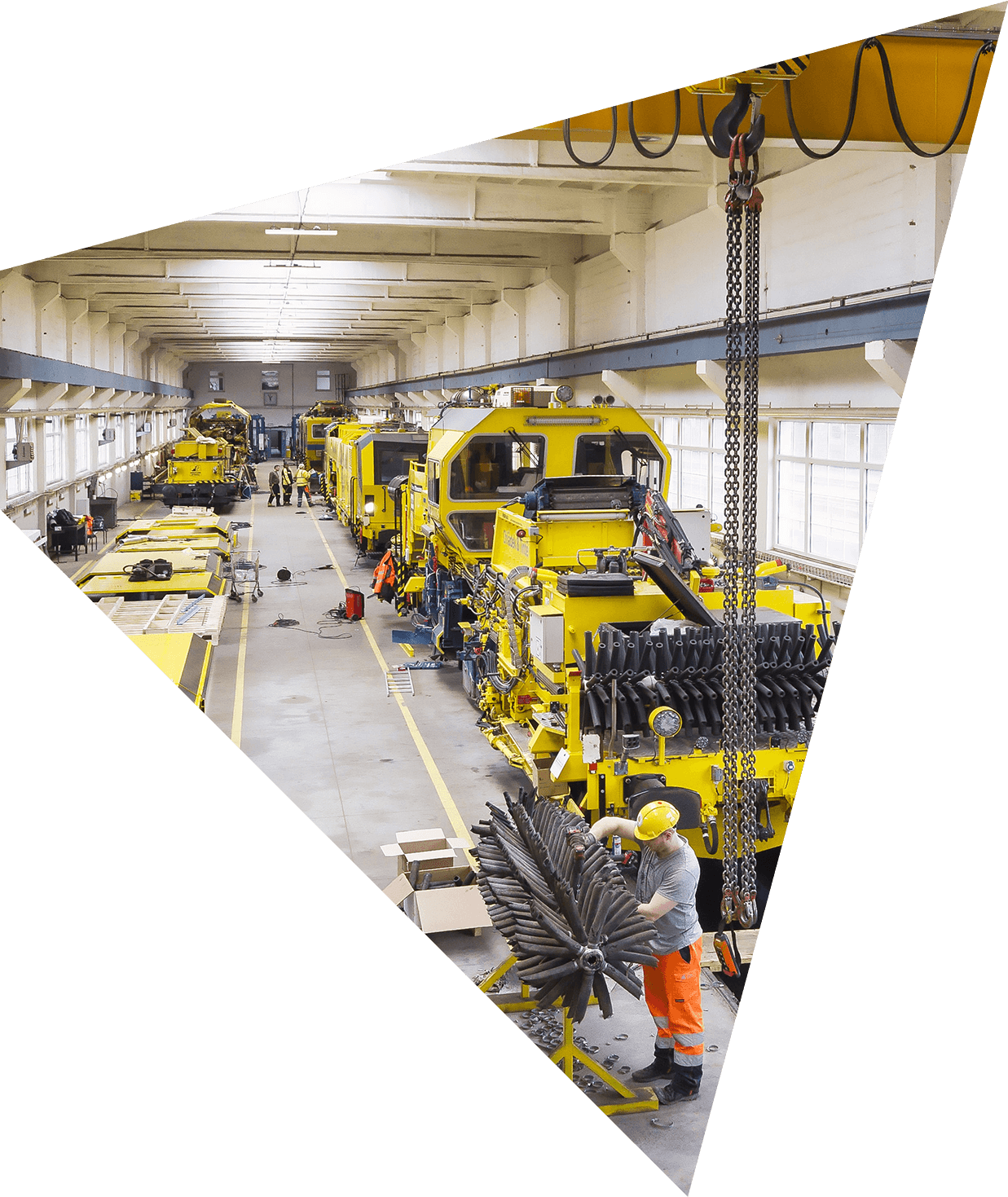
At the start of ETCS installation, we process the available information about the machine and prepare project documentation describing the entire integration process. All ETCS components are installed at our service centre in Lovosice. Our facilities allow the signalling system to be tested, and together with our partners we arrange the necessary homologation.
Service
For our customers, we have the quality facilities of our Lovosice service centre available. This means we can also offer servicing of the onboard ETCS system after installation.
Revisions
Every rail vehicle and its systems require regular inspection. In a single visit to our Lovosice service centre, we can arrange the necessary technical inspections, revisions, UTZ, and ETCS revisions.
Over thirty years
we've been with you on the rails
VHC Trade was founded in 1992. Right from the start, it represented the Austrian manufacturer Plasser & Theurer on the Czech market — at the time still the Czechoslovak market. Plasser & Theurer is the world’s largest manufacturer of specialized railway technology and naturally operates not only in other European countries, but around the world.
The fact that VHC Trade has represented Plasser & Theurer technology on the Czech market for more than thirty years, we consider the result of good work from the very beginning of our company’s operation right up to the present day.
Before the end of the millennium, VHC Trade had already expanded its portfolio of suppliers to include the German manufacturer Robel and the Swiss manufacturer Speno. Thanks to this, we can offer our partners hand-held machines for the maintenance of track systems, as well as technology for reprofiling railway lines and switches. More recently we added the precise measuring machines from Vogel & Plötscher, used for diagnosing the condition of the rail head.
The construction and maintenance of railway tracks is a specific and fascinating field. Recently we have been encountering a range of innovations bringing new technologies into use. We have responded to this too — we changed our company’s structure, strengthened our team with new colleagues, and expanded our service portfolio with further activities.
Since 2016 we have had a service facility in northern Bohemia, of which we became the sole owner in 2021. In Lovosice we now operate the world’s first certified external service centre for Plasser & Theurer. Thanks to this investment, you will find a fully equipped, qualified facility in Central Europe for the long-term care of your machines. Since 2022, we have also focused on the servicing and maintenance of rail vehicles in the rail transport segment, and, last but not least, on the integration of ETCS systems.
Today, as the VHC Group, we focus not only on the supply of technology but also on the servicing and maintenance of machines, including their general overhauls and modernisation.
The people at VHC Group never lose sight of our customers‘ needs, and that is why we always want to provide them with the best care and guarantee the same personal approach that has been part of our company since the very beginning.
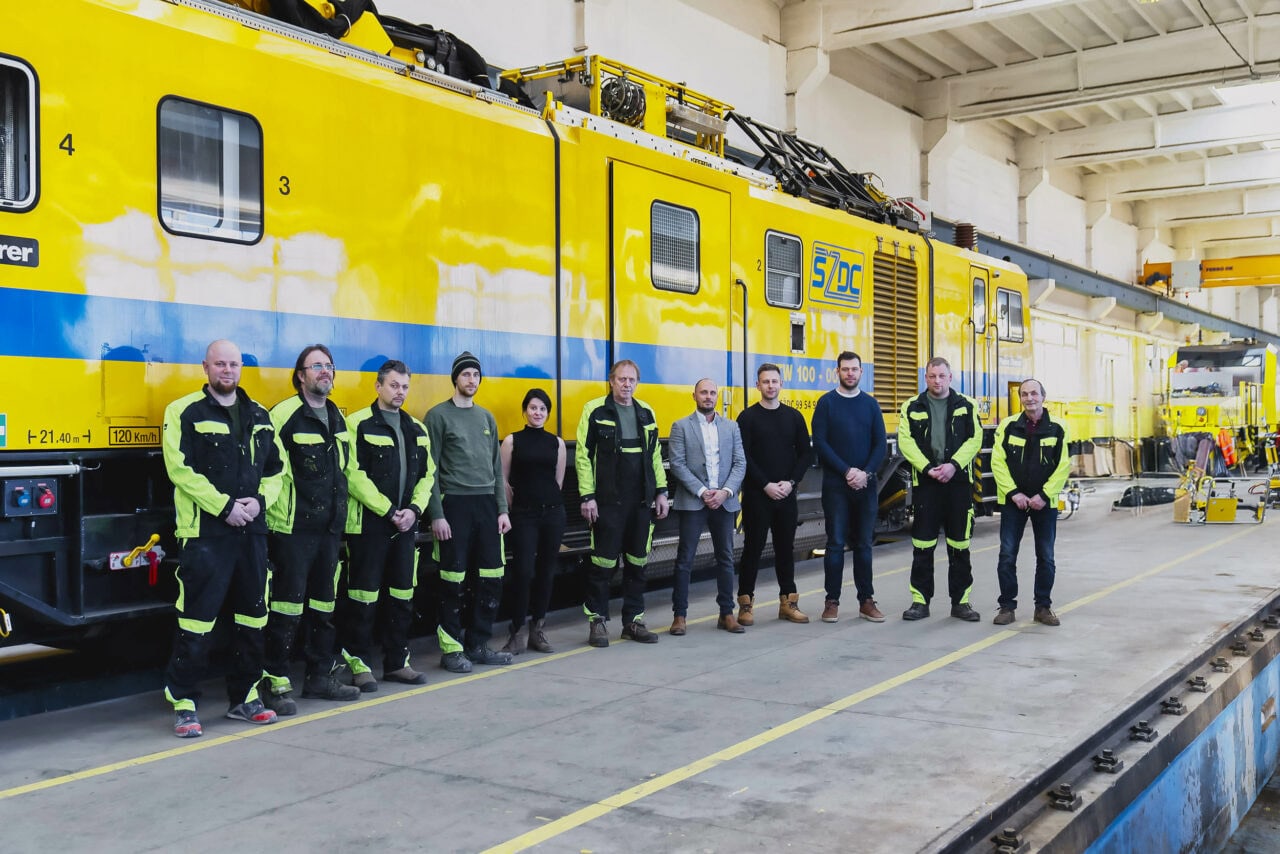
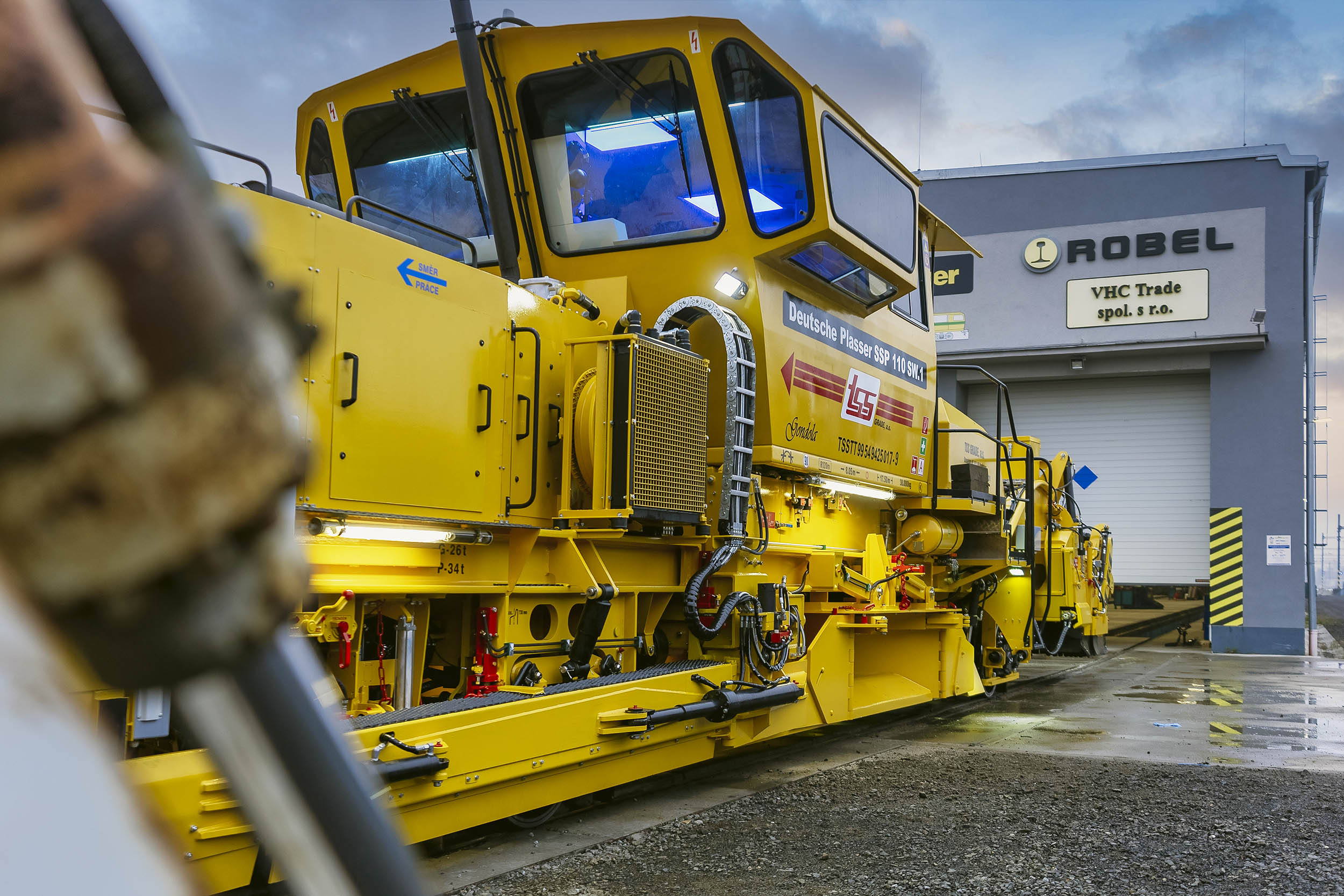
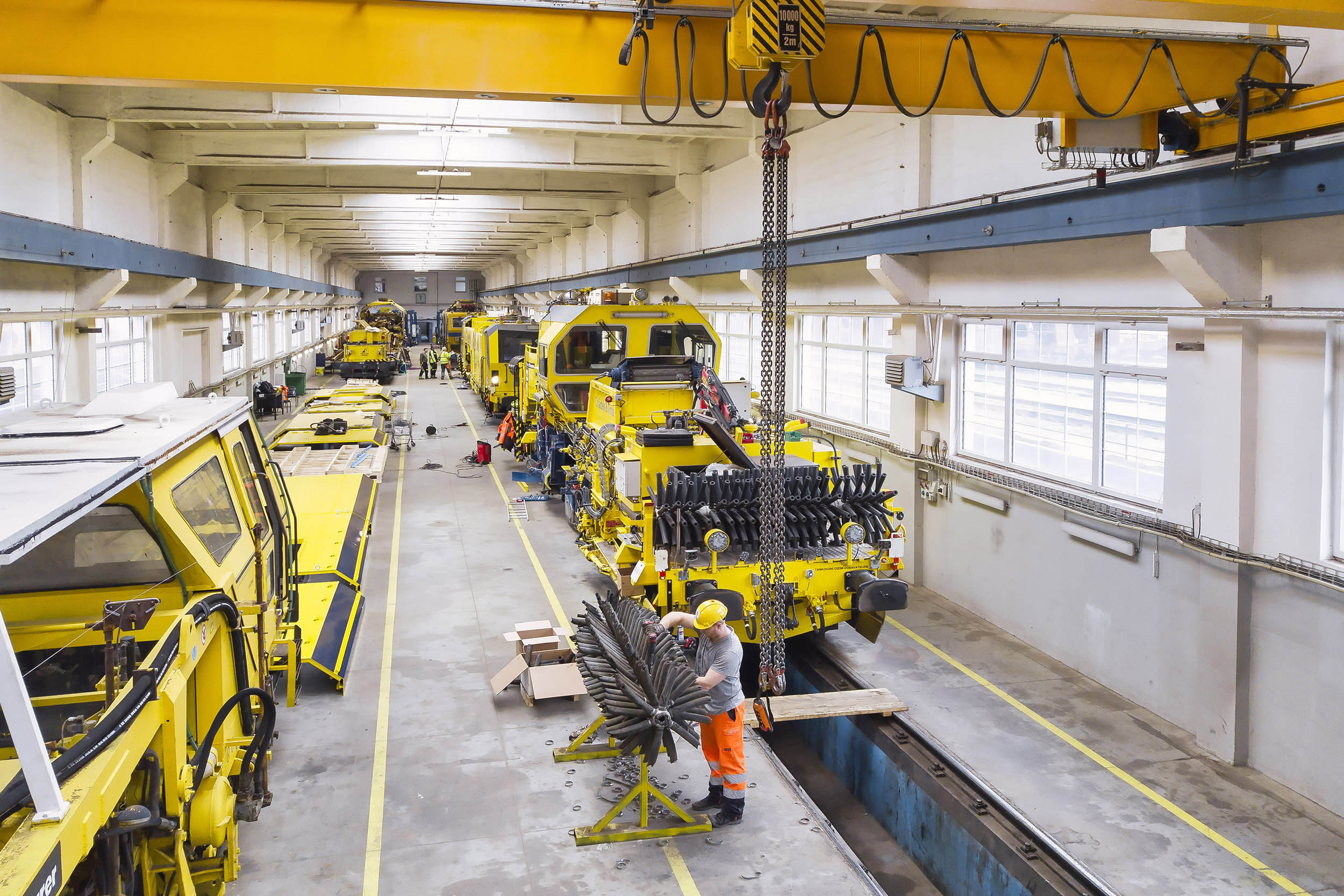
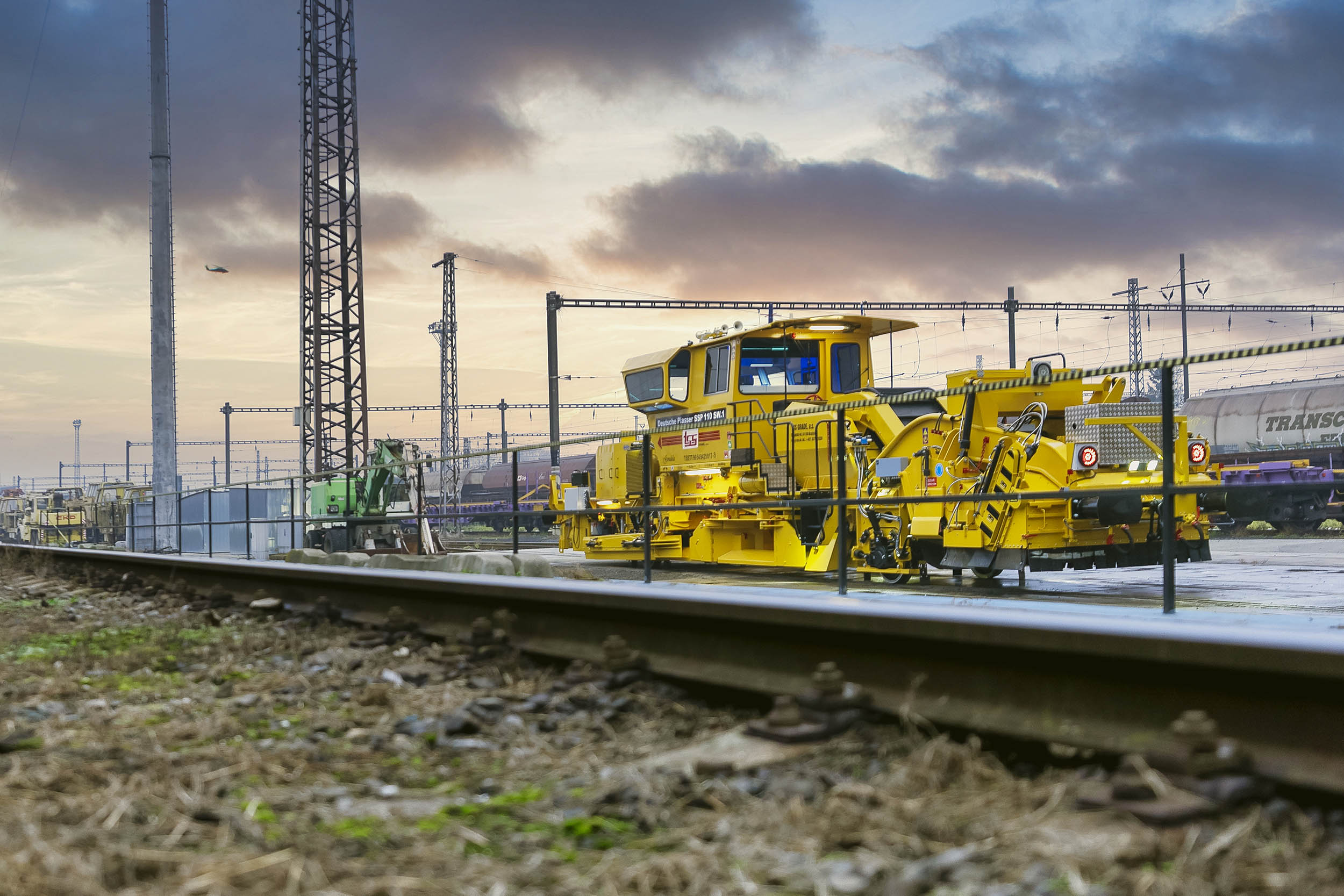
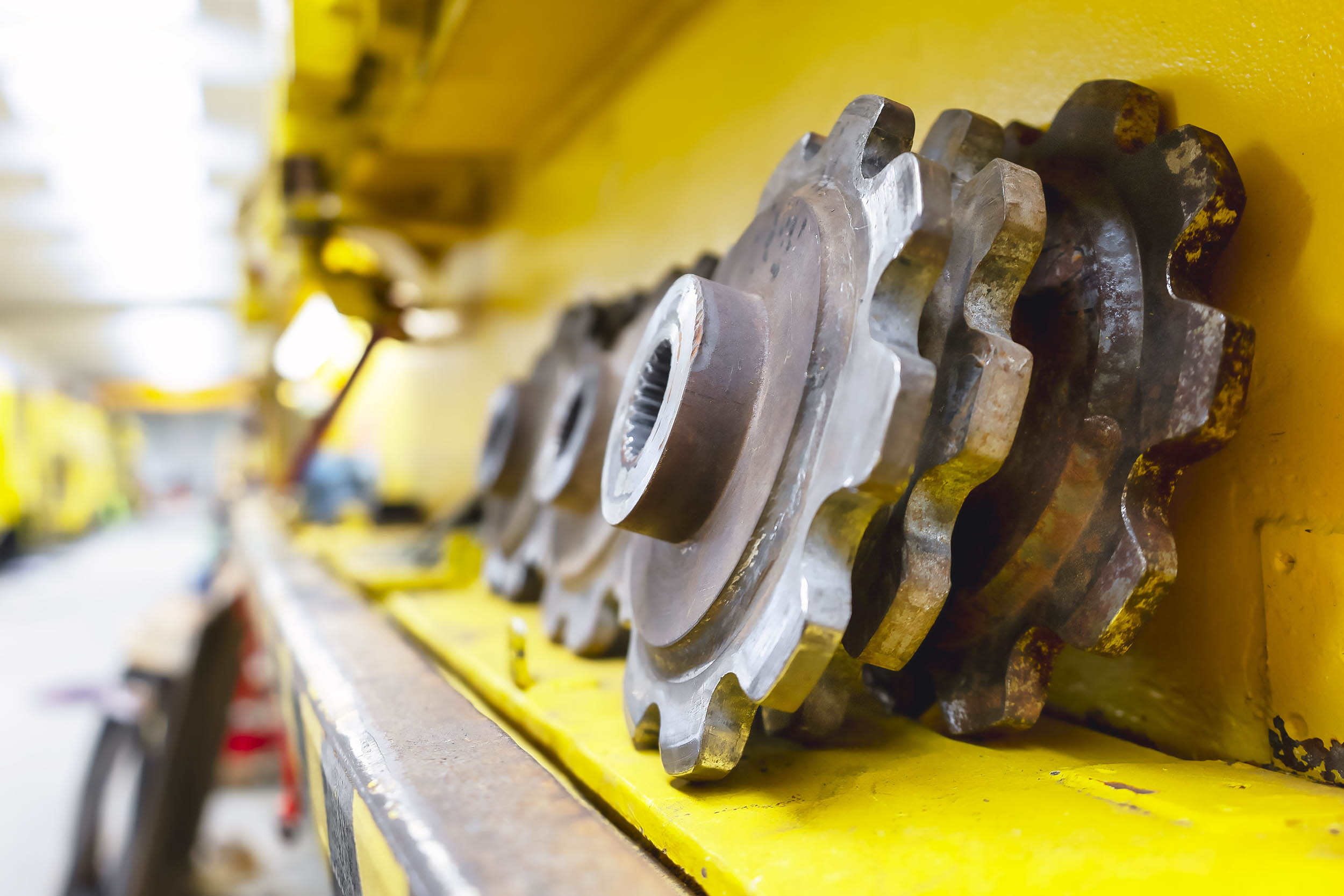
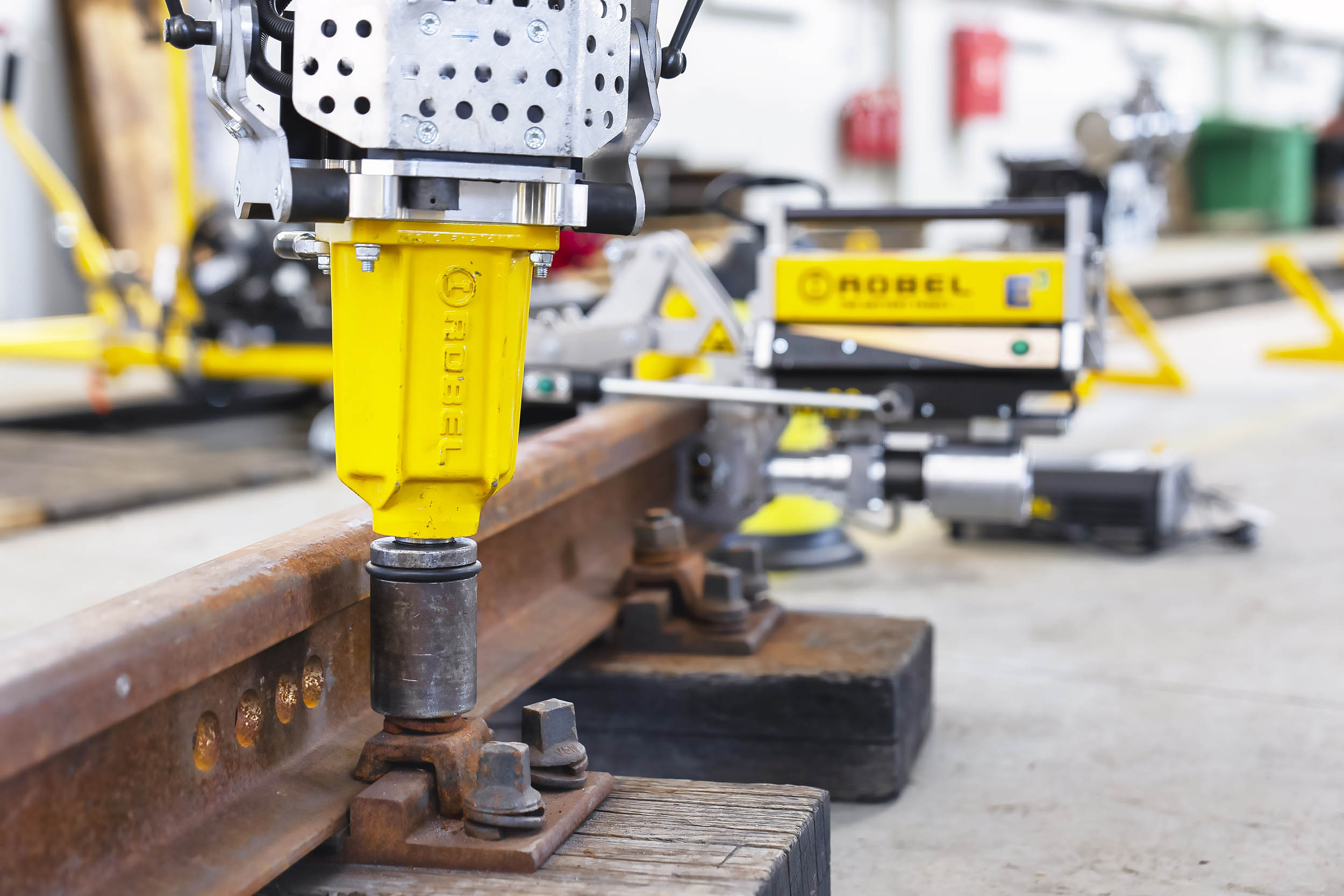
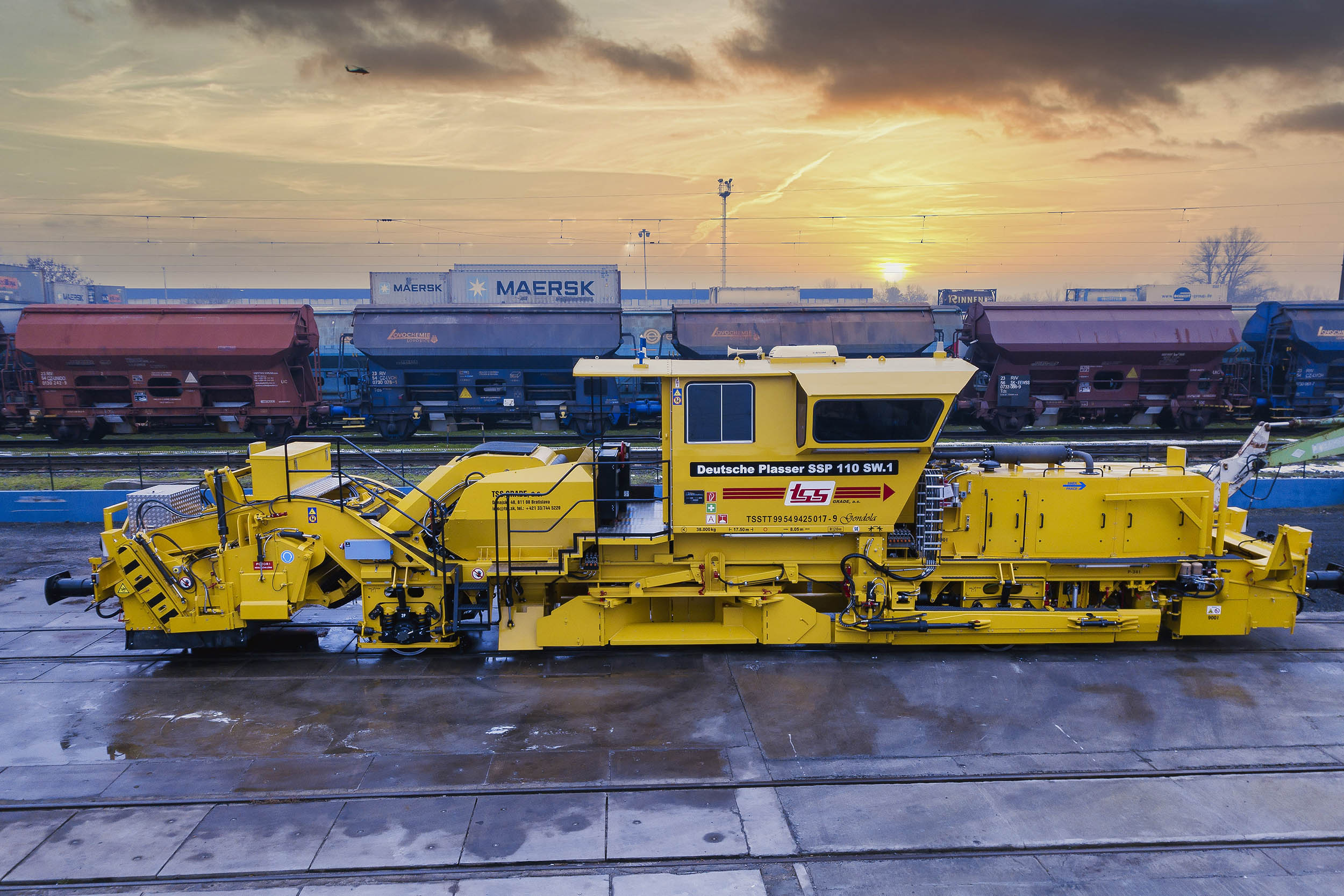
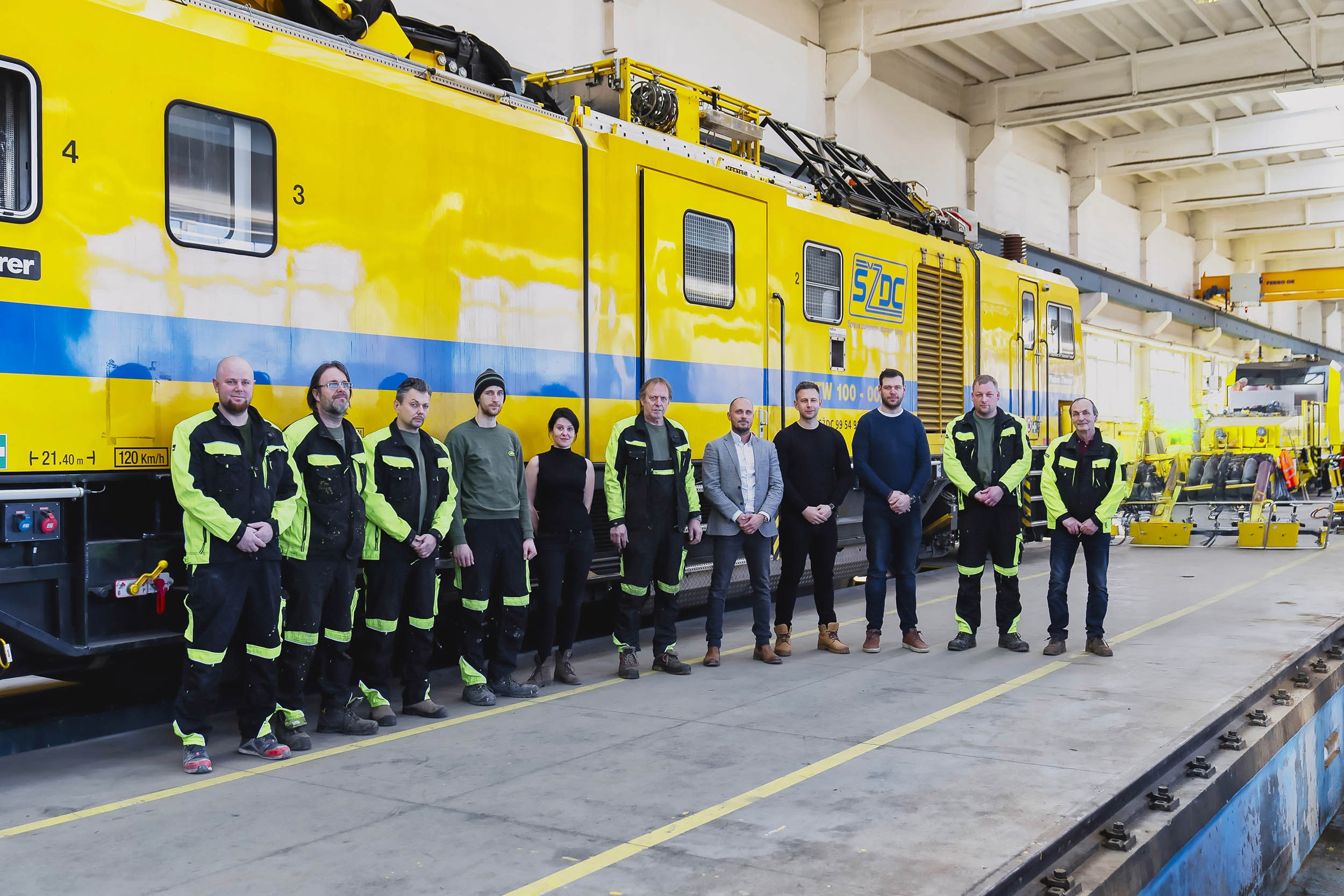
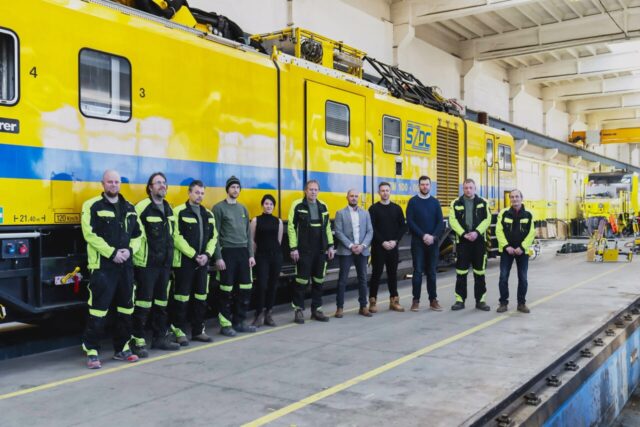
VHC Servis facility.
Zázemí střediska VHC Servis.
Latest news

VHC Trade is now the exclusive representative of Vogel & Plötscher
VHC Trade at Rail Business Days
VHC Servis is looking for a Building Administrator in Lovosice
VHC Group in the Hospodářské noviny supplement „The Future of the Railway“
VHC Group is heading to InnoTrans 2026. Who’s going to Berlin?
Seminar „Modern Design of Railway Superstructure and Substructure“